
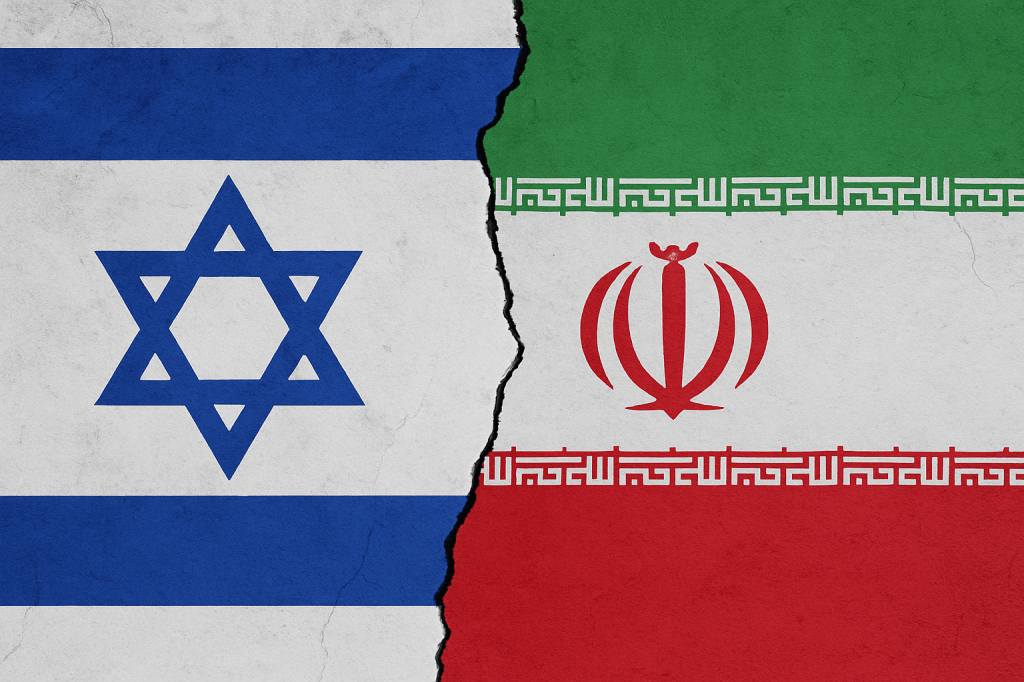
On June 13, 2025, Israel launched one of the most direct military strikes against Iran (as we predicted few weeks back) in the history of their long-standing rivalry. Dubbed Operation Rising Lion, the attack marks a major escalation in Middle Eastern tensions.
A Bold and Calculated Strike
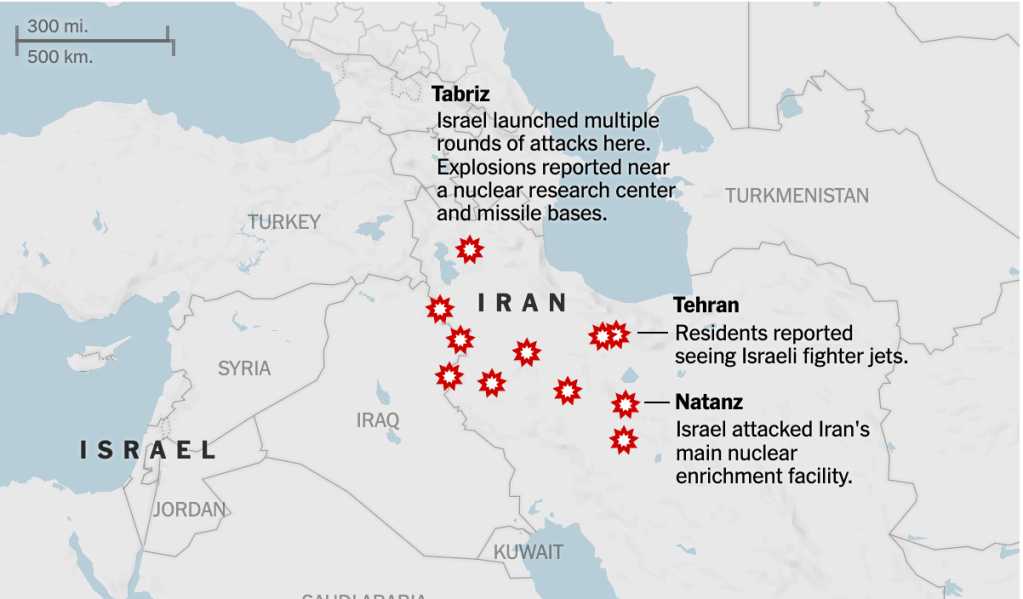
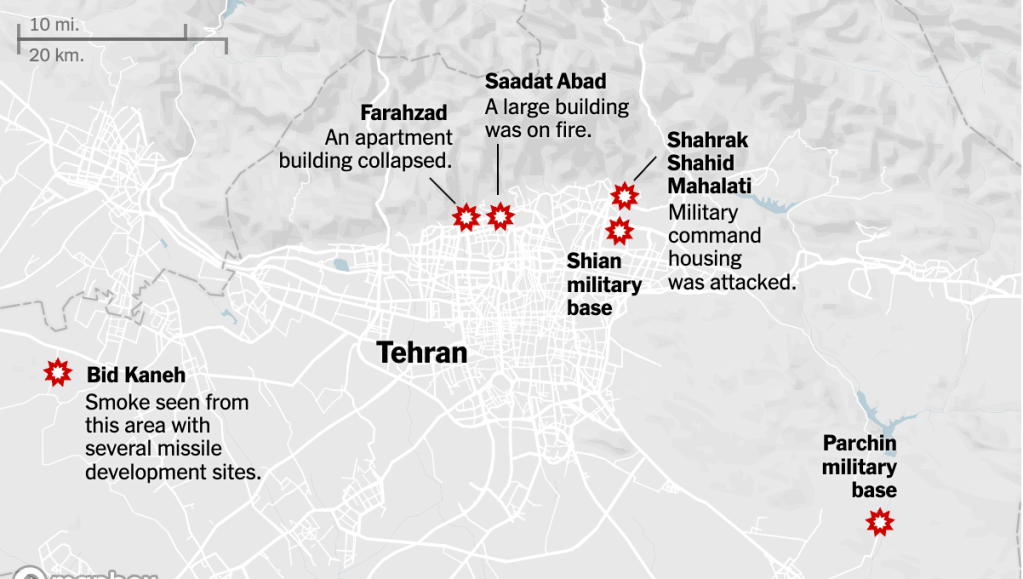
In a coordinated operation, Israel deployed approximately 200 fighter jets to strike over 100 strategic military and nuclear sites across Iran. The primary targets included:
- The Natanz uranium enrichment facility, Iran’s most fortified nuclear site
- The Arak heavy water reactor, central to Iran’s plutonium production
- Multiple missile bases, air defence batteries, and command centres
- Strategic locations in Tehran, Tabriz, Hamedan, Qom, and Khorramabad
The Israeli Air Force reportedly utilised advanced electronic warfare systems to neutralise Iran’s radars and air defences before the main assault. Satellite-guided munitions and long-range drones played a supporting role in precision targeting.
Assassinations and Mossad’s Hand
Among the most significant developments was the assassination of key Iranian figures, including:
- Major General Hossein Salami, Commander-in-Chief of the Islamic Revolutionary Guard Corps (IRGC)
- Major General Mohammad Bagheri, Chief of Staff of the Armed Forces
- Nuclear scientists including Dr. Mohammad Mehdi Tehranchi and Fereydoun Abbasi-Davani
Intelligence reports suggest Israeli agents—likely affiliated with Mossad—were already present inside Iran. They allegedly used concealed drones, sabotage devices, and even disguised vehicles to weaken Iranian defences and coordinate the ambush that led to the high-profile killings.Iran’s Retaliation and Rising Panic
Iran responded with force, launching over 100 drones towards Israeli territory. While earlier local reports claimed as many as 800 projectiles, confirmed estimates indicate around 100 drones, possibly accompanied by cruise and ballistic missiles. Israel’s Iron Dome and David’s Sling systems intercepted most incoming threats, limiting the damage.
Inside Iran, the mood quickly shifted:
- Protests erupted in Tehran and other cities, with citizens demanding revenge and clarity on how such a large-scale operation went undetected.
- Widespread panic buying occurred at petrol pumps and grocery stores, with long queues forming as people feared war.
- Airspace was closed, and mobile networks faced disruption, possibly as a government-imposed security measure.
The Iranian Foreign Ministry formally requested an emergency meeting of the UN Security Council, calling the Israeli strike an act of aggression and a violation of its sovereignty.
Israel on High Alert
Following the strikes, Ben Gurion International Airport in Tel Aviv was shut down, and all civilian air traffic was grounded. Prime Minister Benjamin Netanyahu addressed the nation, stating:
“This operation was essential to stop an imminent nuclear threat. Israel is prepared for a prolonged confrontation if necessary. Our citizens must remain vigilant.”
Israeli forces have been placed on full combat readiness, and reserve troops are reportedly being mobilised.
Global Reactions: Shock and Concern
The strike has triggered sharp global responses:
- China condemned the attack, calling it a violation of international law and warning of serious consequences for regional peace. Beijing called for urgent diplomatic de-escalation.
- In the United States, security has been heightened in major cities like New York. Former President Donald Trump, in a Truth Social post, claimed that Iran had failed to respond to a 60-day diplomatic ultimatum, and now “must face the consequences.”
- India expressed deep concern over the unfolding situation. The Ministry of External Affairs issued a statement urging maximum restraint from all parties and called for the preservation of peace and stability in West Asia, a region critical to India’s energy security and home to millions of Indian expatriates. New Delhi reiterated the importance of resolving disputes through dialogue and diplomacy, while closely monitoring the safety of its citizens in the region.
- The United Nations, which had just passed a Gaza ceasefire resolution, convened an emergency session. Secretary-General Antonio Guterres appealed for restraint, noting that “this could ignite a wider regional war with catastrophic consequences.”
- Gulf countries, including Saudi Arabia, Jordan, and the UAE, closed their airspace to avoid becoming accidental targets in the escalating conflict.
Strategic and Diplomatic Implications
While Israeli officials maintain that the strike was preventive—to halt Iran’s alleged nuclear weapons programme—Iran views it as a declaration of war. The deaths of senior military and nuclear officials are likely to embolden Iranian hardliners and reduce the already slim prospects for diplomacy.
The strike highlights concerns over intelligence gaps, weak regional alliances, and the high risk of proxy retaliation by Iran-backed groups like Hezbollah and militias in Iraq and Syria.
 GeoWire
Leave a comment